Duvets are insulated bedding layers designed to help regulate warmth and support comfortable sleep throughout the year. Their suitability depends on factors such as filling, construction, weight and room temperature. Understanding these characteristics can help distinguish a duvet’s function from related bedding, including pillows, sheets and protective duvet covers.
Duvet warmth is commonly described by tog rating: lower ratings are generally lighter for warmer conditions, while higher ratings provide more insulation in cooler rooms. Natural and synthetic fillings differ in weight, feel and care requirements. These details can guide choices for seasonal bedding and help create a comfortable, practical sleep environment.
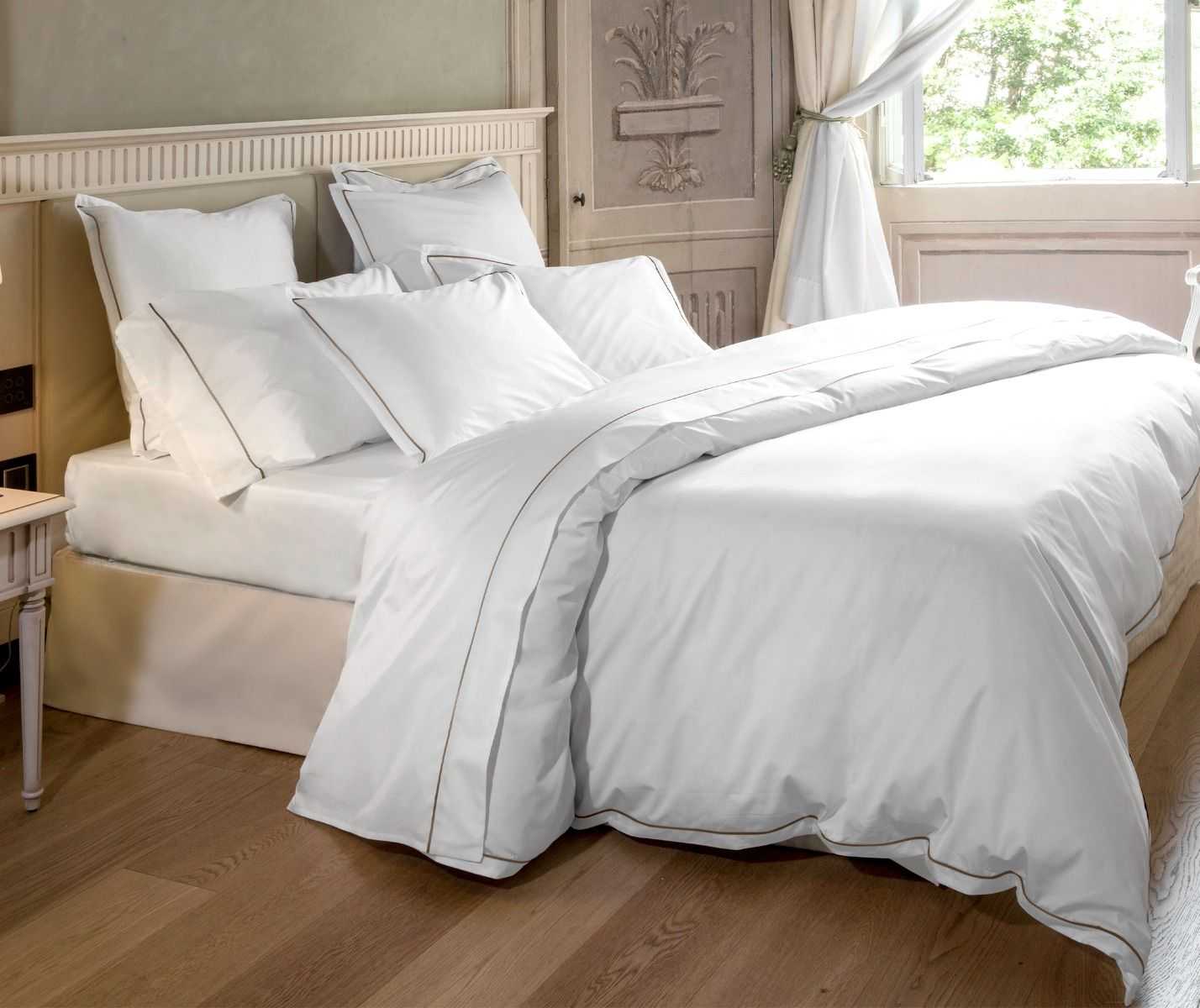
Duvet covers enclose a duvet to help protect it from everyday contact and make bedding easier to maintain. The Luce Duvet Cover is one example of a cover designed as a layer between the sleeper and duvet; its practical role is to keep the duvet cleaner while allowing the outer bedding to be changed and laundered separately.
The Platinum Sateen Duvet Cover is another named bedding option, with a sateen finish that gives the fabric a smooth, softly lustrous surface. A duvet cover’s closure and fit influence how securely it holds the duvet in place. Coordinating covers with sheets and pillows can also create a consistent feel across bedding.
When assessing duvets and related bedding, consider dimensions, filling, warmth, fabric feel and care instructions. Duvet covers such as the Luce and Platinum Sateen styles serve a different function from pillows, including memory foam pillows, and from sheets. Selecting compatible sizes and appropriate materials helps bedding fit properly and remain comfortable with regular use.
 Bedding
